
If Not Now, When?
Facing the Fear of a Sabbatical

The idea of a sabbatical sounds good in theory—space, freedom, time to reset. But the moment you start to imagine actually stepping away, fear sets in.
What if I lose my job?
What if my peers pass me?
What if people think I’m irresponsible?
What if I fall behind?
That last question is the one that keeps most people tied to the dock. It feels safer to keep going as you are, even if you’re running on fumes, than to risk falling out of step with everyone else.
I know that fear. I wrestled with it too.
The Fears We Don’t Say Out Loud
Let’s be honest. The doubts aren’t just about money or logistics. They’re about identity.
We ask ourselves:
Who am I without the job title?
What if I pause and the world forgets me?
What if I never catch up again?
These questions are natural. They’re human. But they’re not the whole story.
The Hidden Risk
Back in 2019, I had spent 42 years in engineering. From the outside, my life looked stable, even successful. Inside, something had shifted.
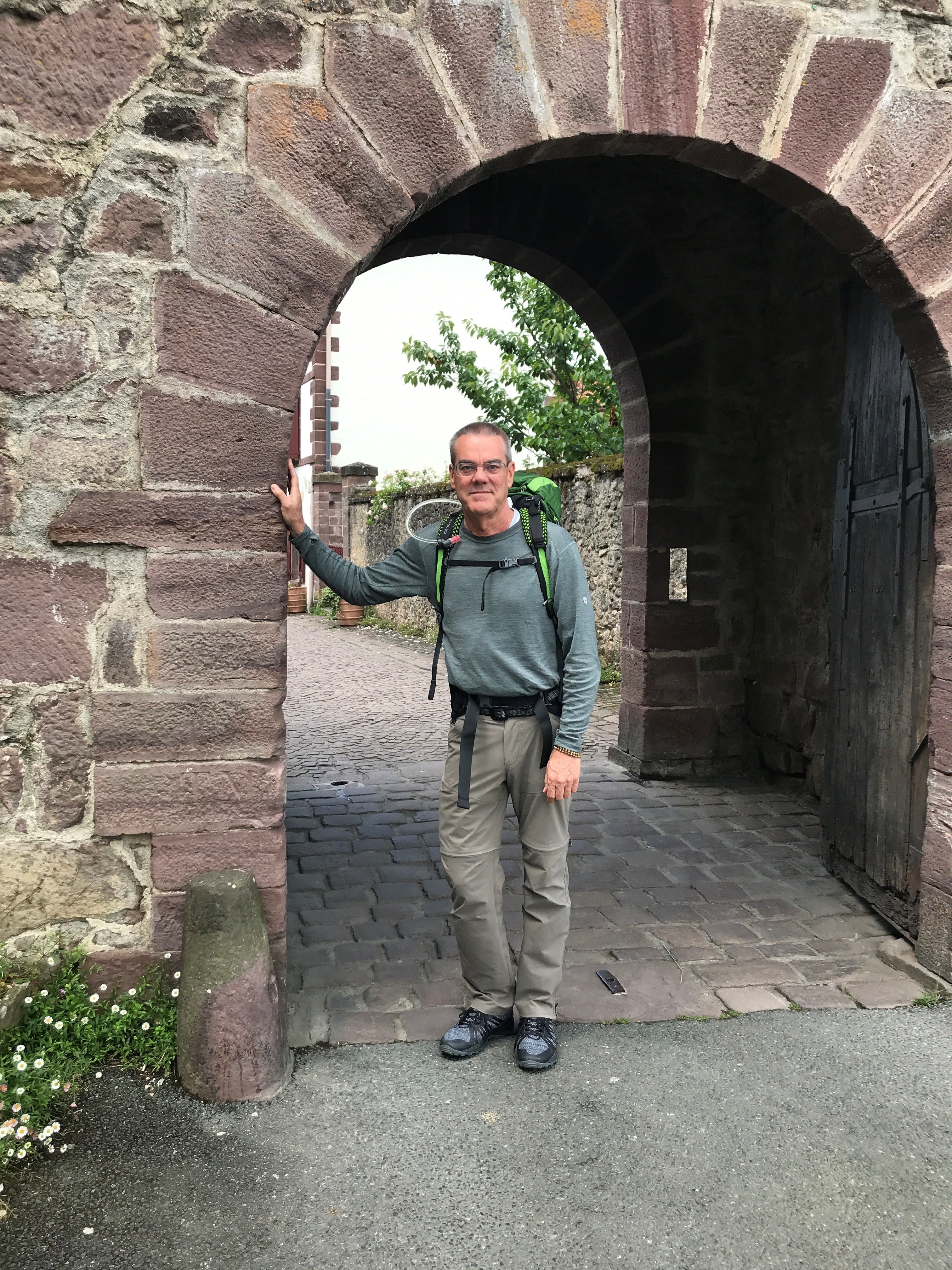
I had just finished walking the Camino de Santiago. For 36 days, I experienced life without chronic stress: sunrises, conversations with strangers, the simple rhythm of putting one foot in front of the other. It awakened something I couldn’t ignore.
I wrote these words in my journal on November 29, 2019:
“Why would I quit my engineering career after 42 years, a job that provided me with challenge and stability? Simply put: to live life now. I am 58¾. My kids are grown. I have the means. To avoid the pain of regret of an unrealized dream, I must do this. I have never been so sure of anything in my life. If not now, when?”
That was the pivot. The bigger risk wasn’t leaving—it was staying. The danger wasn’t falling behind my peers—it was falling behind my own soul.
Reframing the Pause
A sabbatical isn’t stepping out of life. It’s stepping more deeply into it.
For me, that meant leaning into my passion for sailing. I studied for my captain’s license, learned to move boats and race, and began working toward a new lifestyle that blended water, travel, and freedom.
From the outside, it might have looked like I was taking a break. In reality, I was accelerating—discovering gifts and talents that would never have surfaced if I had stayed put.
Your version might look different. It could be travel, creating, resting, or simply reconnecting with yourself. But the truth is the same: a sabbatical is not an ending. It’s a realignment.
Practical Reassurances
If fear is stopping you, here are a few things to remember:
Careers are more flexible than they seem. Many people return to work stronger, with a new perspective that employers value.
You don’t lose your skills by resting. You sharpen them by reconnecting with your creativity, health, and energy.
Time away isn’t a gap. It’s a story you get to tell—a story of courage, clarity, and growth.
The Real Question
When I look back at that journal entry, one line still echoes:
“If not now, when?”
That’s the question I’d invite you to sit with this week. Write it down. Stare at it. See how your body reacts.
Which feels heavier: the risk of pausing, or the risk of never pausing?
Closing Thoughts
Fear is natural. It’s the final gate we pass through before any big change. But fear doesn’t always mean stop. Sometimes, it’s proof you’re standing at the threshold of something that matters.
If you’re circling the idea of a sabbatical, don’t let fear make the choice for you. Listen to what your soul is asking. Notice what feels like regret in the making.
Because the truth is, the world will keep spinning whether you pause or not. The real question is: when you look back, will you be glad you stayed busy—or glad you were bold?
If this resonated, forward it to someone who’s been whispering about “needing a break.” And if you’re new here, subscribe so you don’t miss next week’s newsletter.
Fair Winds,
Captain Rickman